

Burn the Playbook · with Michael Starr Hopkins
Names. Receipts. The stories they kill.
Issue 003 · Friday, April 17, 2026
◆
✓ SOURCED: House Clerk STOCK Act · FEC filings · CDC mortality data · Tips: [email protected]
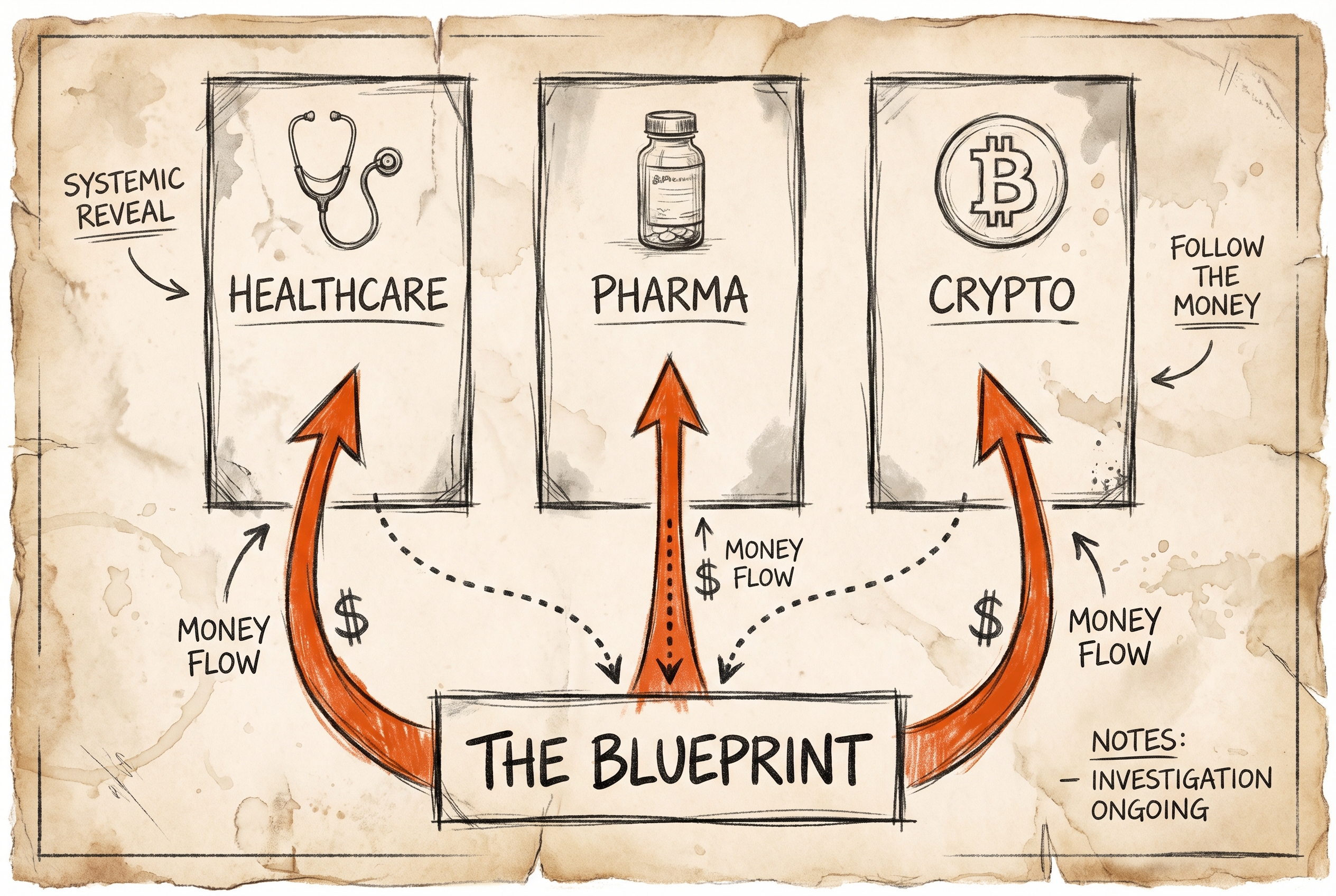
Rob Bresnahan introduced a bill to ban congressional stock trading. Nine days later he sold $130,000 in Medicaid stocks. Seven days after that he voted to cut Medicaid by nearly a trillion dollars. Three politicians. Three industries. One blueprint. All of it documented in public record.
◆
In This Issue
◆
May 6. Rob Bresnahan introduced a bill to ban congressional stock trading. He gave a speech. He stood in front of cameras in a district where people drive to work at hospitals and try to keep their health insurance and told them he was going to fix it. Nine days later, he dumped $130,000 in Medicaid stocks. May 15. Centene. Elevance Health. UnitedHealth. CVS Health. Four of the largest Medicaid managed-care insurers in the country. Sold. One hundred and thirty thousand dollars. Nine days after the speech. May 22. He voted to cut Medicaid by nearly a trillion dollars. Three dates. One man. No mystery about who he works for.
◆
Quote of the Day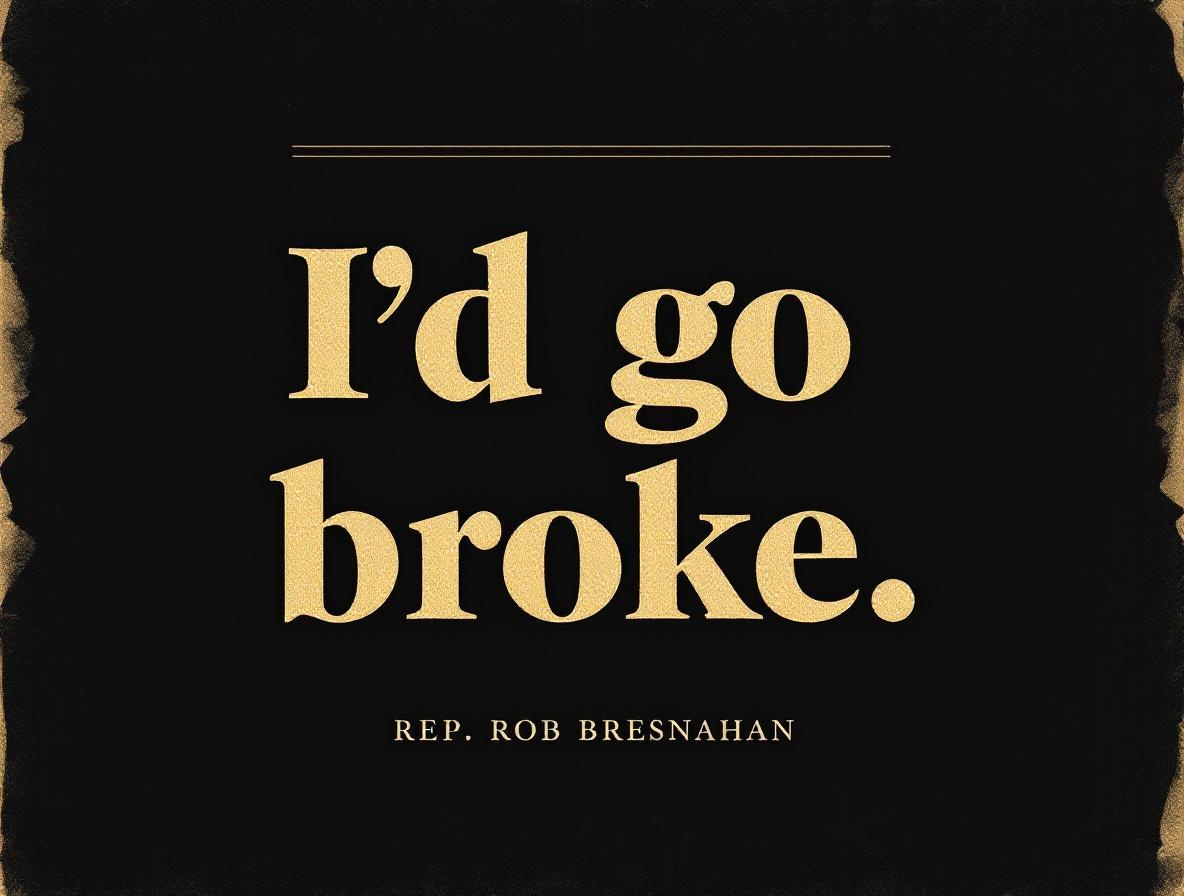
— Rep. Rob Bresnahan, when a reporter asked if he would stop trading stocks. That answer is the whole story. Not the trades. Not the vote. The answer. A multimillionaire, who introduced a bill to ban the thing he was doing, who voted to cut the program whose stocks he sold — and when finally asked directly if he would stop, said he would go broke. That is not a gaffe. That is a confession. He told you exactly who he works for. He just knew you weren’t listening.
◆
Number of the Day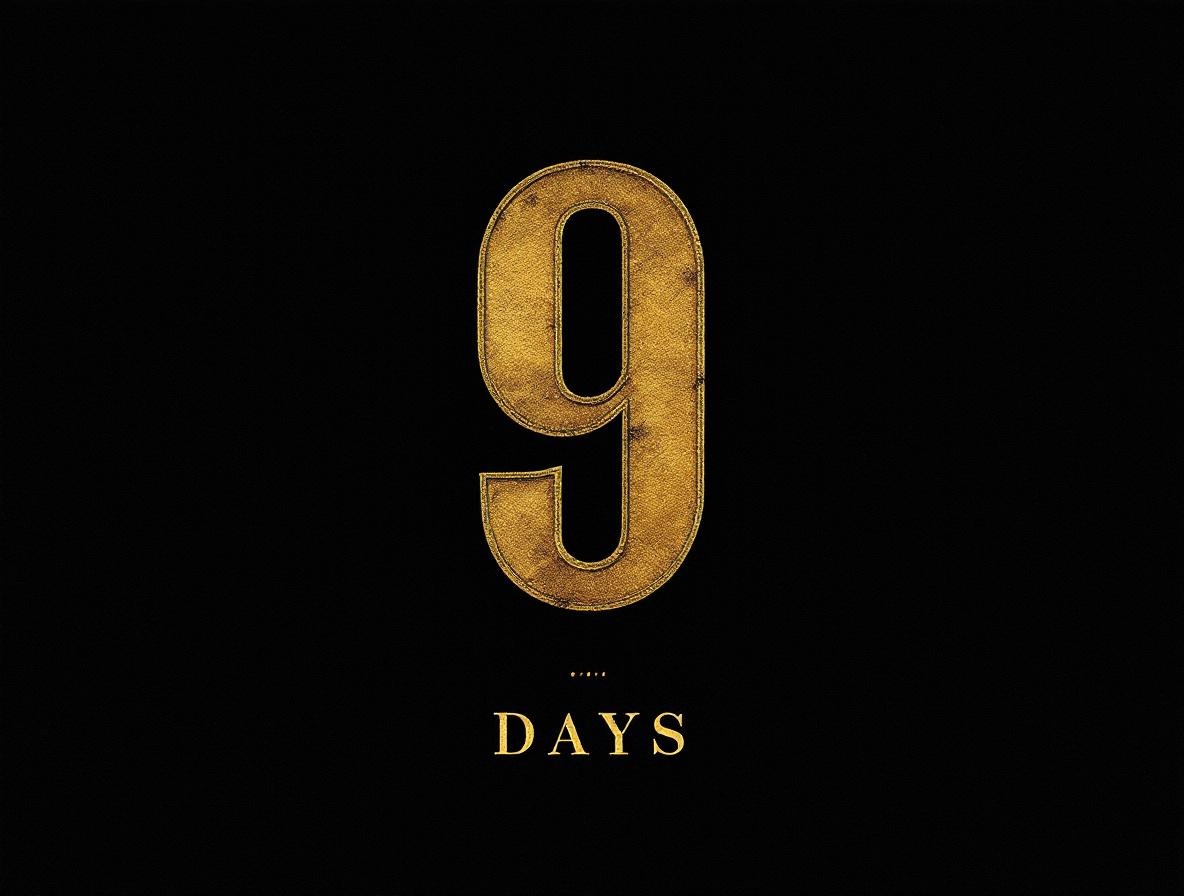
Days between the ban speech and the stock dump
Source: House Clerk STOCK Act disclosures · H.R. 3182 (TRUST Act, 119th Congress) filing date vs. trade dates
May 6: introduced H.R. 3182 — the TRUST Act. May 15: sold Centene, Elevance Health, UnitedHealth, CVS Health. Nine days. Between the speech and the sale. Not nine months. Not nine weeks. Nine days. And then he voted to cut the program those stocks depend on.
◆
The Three-Day Play617 trades in 2025. $7.24 million in total value. The second-most active trader in the 119th Congress. When a reporter finally asked him directly whether he would stop, he gave the only honest answer of his career: “I’d go broke.” A multimillionaire. Would go broke. Between the bill text release and the first floor vote, he made 81 trades in 10 days. He sold seven clean energy positions and bought six oil and gas stocks before voting to reverse clean-energy tax credits. He holds $30,000+ in Exxon Mobil, plus positions in ConocoPhillips, Occidental Petroleum, Phillips 66, and Valero. He also held and sold $130,000+ in bonds from the Allegheny County Hospital Development Authority — bonds tied to hospitals in his own district that depend on the Medicaid funding he voted to slash. As of publication, no qualified blind trust has been filed with the House Ethics Committee. H.R. 3182 (the TRUST Act, 119th Congress) — his bill, his speech — has not passed. The ban was the cover story. The 617 trades were the business plan. The CBO estimates 11.8 million Americans will lose health insurance under the bill he voted for. Some of them are in waiting rooms in Scranton right now. He is in the market. Primary Document Reference: House Clerk STOCK Act disclosures — Bresnahan trade records, H.R. 3182 (TRUST Act, 119th Congress) filing date vs. trade dates, filed under the Ethics in Government Act of 1978, 5 U.S.C. App. 4. Available: disclosures.clerk.house.gov.
◆
◆
Marsha BlackburnIn 2016, a bill called the Ensuring Patient Access and Effective Drug Enforcement Act became law. The name sounds like something you would want. Here is what it did. Before the bill, the DEA could issue an immediate suspension order against an opioid distributor if shipments posed an “imminent danger to public health and safety.” After the bill, the standard became “substantial likelihood of an immediate threat” — with negotiation periods and correction windows that made enforcement, in the words of the DEA’s own chief administrative law judge John Mulrooney, “all but impossible.” The bill was written in significant part by a lawyer named D. Linden Barber. Barber had spent years at the DEA as associate chief counsel. A Justice Department internal email from legislative affairs officer Jill Wade Tyson states explicitly: “Linden Barber used to work for DEA. He wrote the Marino bill.” Two months after the bill was signed, Barber joined Cardinal Health — one of the three largest opioid distributors in America — as Senior Vice President of Regulatory Affairs. Joseph Rannazzisi ran the DEA’s Office of Diversion Control. He resigned after watching the bill pass. He went to the Washington Post and 60 Minutes. He said it on camera, over and over: “People are dying.” He named Cardinal Health. He named McKesson. He said the bill would make the DEA’s job impossible. The joint investigation won a Peabody Award. Marsha Blackburn co-sponsored all three versions of this bill — the 2014 version, the 2015 version, and the 2016 bill that passed. She voted for every one of them. When Rannazzisi went to the press with what the bill would do, she demanded the Justice Department investigate the whistleblower. The whistleblower. Not the industry. The man trying to stop the deaths. She has received over $1.3 million from the pharmaceutical and health products industry over her career, per OpenSecrets — including $316,656 in the 2023–2024 cycle alone, among the highest of any Republican senator that cycle. The bill’s three biggest distributor beneficiaries — Cardinal Health, McKesson, and AmerisourceBergen — controlled 83% of all pills shipped nationally after 2014 and later paid Tennessee $1.2 billion in legal settlements for the opioid flood their pipelines carried. In 2016, Tennessee recorded 1,631 overdose deaths. By 2023: 2,936. Tennessee now ranks third nationally in overdose death rate — 56 deaths per 100,000 residents. 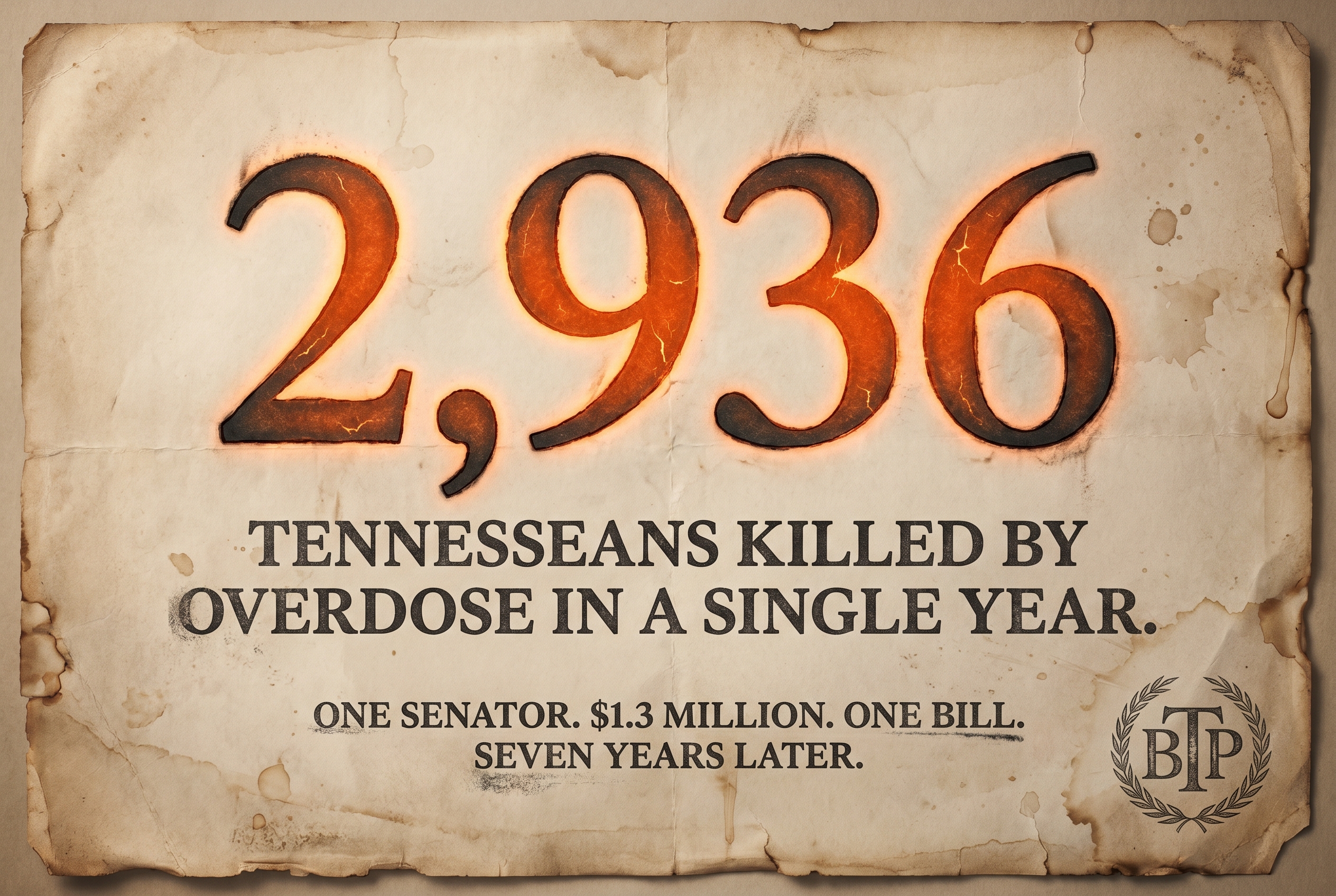
Tom Marino — the bill’s lead House sponsor — had to withdraw his nomination as Trump’s drug czar within days of the Washington Post/60 Minutes story. His career ended. Blackburn ran for Senate. She won. Same bill. Same Peabody investigation. Two outcomes. She is still in the Senate. She sits today on the Senate Finance Committee’s Health Care Subcommittee — the committee with jurisdiction over Medicare, Medicaid, and pharmaceutical policy. She voted against drug price negotiation in the Inflation Reduction Act. The checks had already been in the account for years.
◆
French HillRep. French Hill chairs the House Financial Services Committee. The most financially powerful committee in Congress after Ways and Means. Jurisdiction: banks, hedge funds, cryptocurrency exchanges, payment systems, the entire architecture of American capital markets. 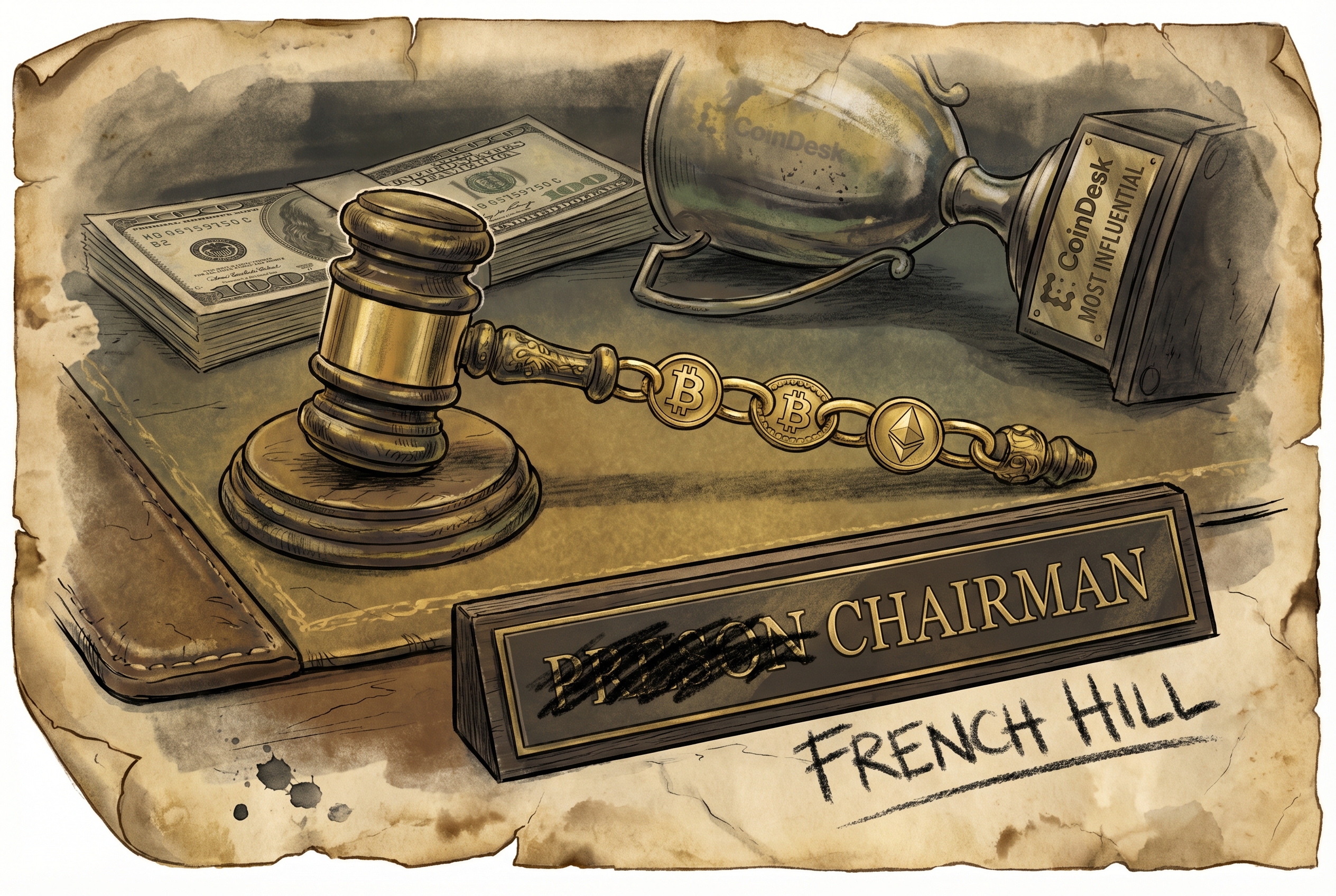
Coinbase — the largest U.S. crypto exchange — is Hill’s top corporate contributor this cycle, per OpenSecrets. Employees and affiliates of Coinbase, Andreessen Horowitz, and other crypto-industry firms have steadily funded his campaigns. In the 2024 cycle, the industry’s super PAC Fairshake and its affiliated PACs spent nearly $200 million — $195.8 million per FEC summary filings — supporting congressional candidates who vote for crypto-favorable legislation. For 2026, pro-crypto PACs have already deployed over $280 million and publicly committed an additional $100 million more on top of that. CoinDesk named Hill one of the most influential figures in crypto policy in the country. He authored the legislation both the traditional financial industry and the crypto industry spent years and hundreds of millions of lobbying dollars to obtain. This is the structure: the traditional finance industry pays the chairman directly. The crypto industry builds the electoral machine that elects the members who vote for his agenda. Arkansas’s 2nd District received the legislation. Bresnahan traded on his own bills. Blackburn passed a bill written by her donors’ lawyers. Hill chairs the committee that regulates his donors while taking their money. Three different industries. Three different architects. One blueprint.
◆
Friendly Fire
John Fetterman ran in Carhartt and a hoodie. He ran against billionaires. He ran against Wall Street. He ran on being the guy who wasn’t going to play the game. In July 2022, six weeks before his election, he tweeted this:
Since taking office in January 2023, John Fetterman has filed STOCK Act disclosures for at least 81 individual stock trades across 28 different companies. Portfolio value estimated between $68,000 and $670,000. In late March 2026 alone — the most recent filing window before this issue — he bought Microsoft, Amazon, Alphabet, Micron Technology, and Erie Indemnity, and sold AT&T and Concentrix. He sits on the Senate Committee on Banking, Housing, and Urban Affairs — the committee with jurisdiction over the same financial system he is personally participating in. Earlier this year, he publicly opposed a data-center regulation bill sponsored by Bernie Sanders and Alexandria Ocasio-Cortez, calling it “China First.” The tech sector he is buying individual shares in got a Senate Democrat to kill the progressive Democrat bill that would have reined it in. The corporate greed he was going to take on turned out to be a pretty good investment. He is not the worst offender. That title belongs to Rep. Josh Gottheimer (D–NJ). Since January 2020, he has disclosed 2,357 individual stock transactions across 407 different companies. Fifty-nine separate STOCK Act filings. In April 2026 alone, he disclosed two Microsoft call-option purchases — one valued $50,001 to $100,000, one valued $500,001 to $1,000,000. Strike price $320. Expiration June 18, 2026. Gottheimer sits on the House Financial Services Committee — the same committee French Hill chairs. His top donors the last cycle, per OpenSecrets and FEC filings:
A Democrat. A Republican. Same committee. Same private-equity money. Same trades. Look back at The Three-Day Play. Look back at French Hill. Now look at this. It is the same mechanism. It is the same stocks. It is the same committee. The only thing that changes between Friday and Friday is which party’s lapel pin the member is wearing. The difference between the parties is not who built the grift. It is who bothered to give a speech about it first.
◆
Burn NoticeIt is 4:47 in the morning. Parker is asleep down the hall. FEC filings open in one window. STOCK Act disclosures in another. CDC mortality data in a third. I have sat in rooms where the gap between what the law says and what the law does is measured in the life of a single person. Where someone’s whole future turns on who could afford a lawyer and who couldn’t. Where $400 gets you a warrant and $7.24 million in self-interested trades gets you a committee seat. 617 trades. $7.24 million in volume. A multimillionaire who said he would go broke if he stopped. Zero consequences. Zero indictments. Zero ethics referrals. The machine is not broken. This is what it looks like working. The entire operation was built in the open, on the assumption that you would not look. Parker will be awake in an hour. I want her to grow up in a country where the receipts still mean something. So I’m looking. Every week. Until enough of you are too.
◆
Closing VerdictThe receipts were never hidden. The House Clerk’s website is free. The FEC portal takes ten minutes. The CDC mortality tables load on any browser. They did not hide the machine because they did not have to. They bet on your exhaustion. They bet on complexity as cover. They bet that the distance between a committee hearing room and your kitchen table was enough to keep you out. They were right about most people. You are still reading this. That means they were wrong about you. Three politicians. Three industries. One structure. Built in plain sight. Documented in public record. Operated without consequence. The question is not whether this is corruption.
◆
Next on Burn the Playbook
He was the Deputy Attorney General of the United States. He held between $159,000 and $485,000 in cryptocurrency when he was confirmed. Thirty-three days into his tenure, he issued a memo that disbanded the federal unit investigating crypto fraud. He was still holding every coin. Bitcoin rose 34 percent between the day he issued the memo and the day he finally sold. Former federal ethics officials say he violated 18 U.S.C. Section 208. The DOJ’s response: “Appropriately flagged and cleared.” They will not say by whom. He Killed the Investigation. He Kept the Coins. — Issue #004 drops Friday.
◆
Sources: House Clerk STOCK Act disclosures (clerk.house.gov) · FEC campaign finance database (fec.gov) · CBO — H.R. 3 Medicaid cost estimates · CDC WONDER mortality data · Washington Post / 60 Minutes — Peabody Award investigation · OpenSecrets — Blackburn industry totals · FEC committee filings C00580829 (Hill), C00835959 (Fairshake) · Sycamore Institute — Tennessee opioid settlements · CoinDesk Most Influential 2024 · Quiver Quantitative + TrendSpider — Fetterman & Gottheimer STOCK Act tracking. Published by Burn the Playbook · Big Tree Lane Media LLC · Every dollar sourced. Every name verified. Every comfortable version killed.
◆
The Companion Podcast — Episode 2If you want the full file on video, press play.
| |||||||||||||||||||
The Three-Day Play
Three politicians. Three industries. One blueprint. All named today.

